
Agronomy
The role of water in plant growth and yield
Water is more than an input: it transports nutrients, drives photosynthesis and regulates plant temperature.
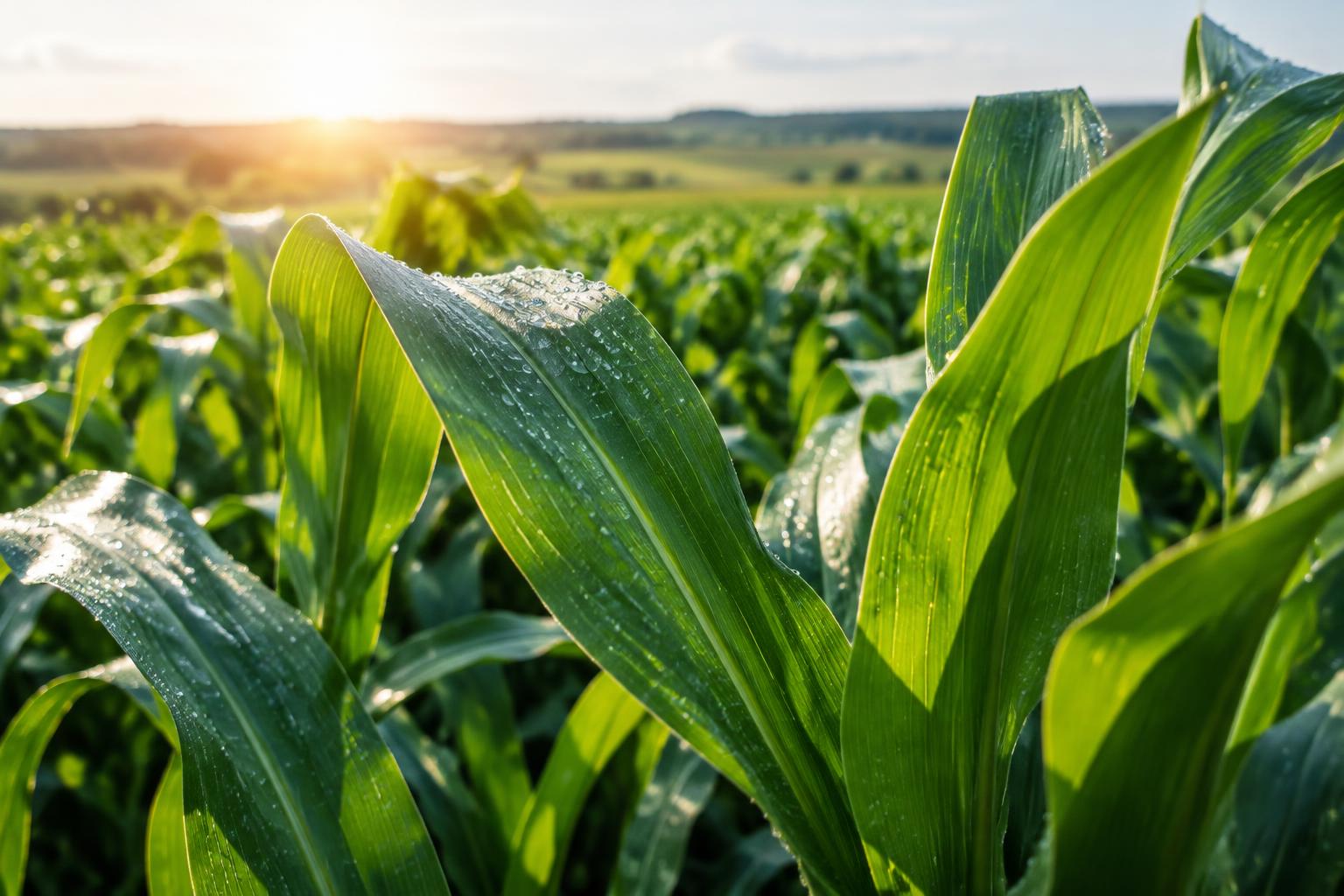
Every crop depends on water, but water does far more than prevent wilting. It is part of photosynthesis, carries minerals from soil and maintains cell pressure so leaves and roots can grow. Water availability therefore affects both yield and quality.
Critical stages in the season
Crops respond differently to water stress throughout the season. Stress during establishment can weaken roots, while shortages during flowering or fruit set can sharply reduce harvestable output. The right amount at the right time matters more than a high annual total.
More is not always better
Over-irrigation can displace oxygen from soil, wash nutrients below the roots and increase energy use. Water lost to runoff or evaporation produces no return. Effective use is therefore about availability, distribution and timing, not volume alone.
Water and other inputs
When crops have better access to water, they can also make better use of light and nutrients. This matters when food output must rise without inputs growing at the same rate. Improving water productivity can benefit the entire cultivation system.
Measuring the result
The practical question for a grower is how much marketable yield each cubic metre supports. Technology designed to make water more effective in existing systems should be judged by that relationship: water use, yield, quality and stability over time.