
Water
Water scarcity in the world’s major food regions
Water rationing in productive agricultural regions affects growers, food prices and supply security.
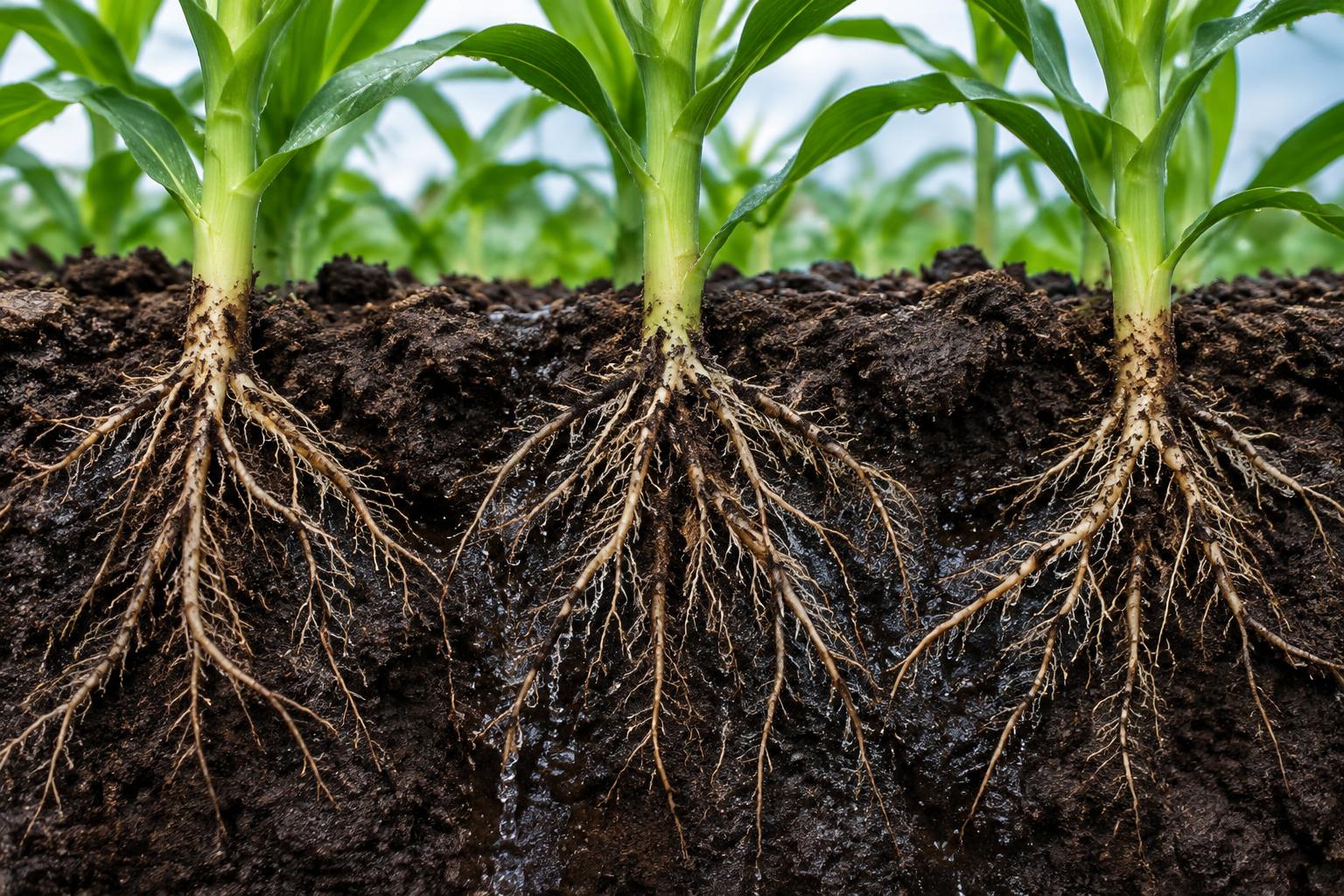
A substantial share of the world’s food is produced where water is already scarce. California, Mediterranean countries, parts of India, the Middle East, North Africa and several Chinese farming regions have faced drought, declining groundwater or tighter withdrawal rules. When water is rationed, the effects extend far beyond an individual farm.
Food production competes for water
Agriculture shares water with households, industry, energy and ecosystems. During drought, authorities must prioritise needs that are all important. Restrictions may take the form of reduced reservoir allocations, shorter irrigation windows or tighter controls on groundwater pumping.
Rationing changes what can be grown
Uncertainty about seasonal water supply makes crop and planting decisions riskier. Perennial crops such as orchards and vineyards cannot simply be paused. Growers may idle other fields to protect valuable permanent crops, reducing the region’s total food output.
Efficiency creates room to act
Making each litre more useful can reduce vulnerability as allocations shrink. The goal is not merely to apply less water, but to maintain or increase the water available to the crop. Sensors, sound scheduling, maintained irrigation equipment and water-enhancing technology can work together toward that goal.
A global connection
Water shortages in a major growing region can quickly affect prices and availability elsewhere. More resilient production is therefore a food-security issue. Using water better where food is grown strengthens the entire supply chain.