
Sustainability
The water footprint behind our food
Every crop carries water from cultivation into the food chain. Better field efficiency benefits the entire chain.
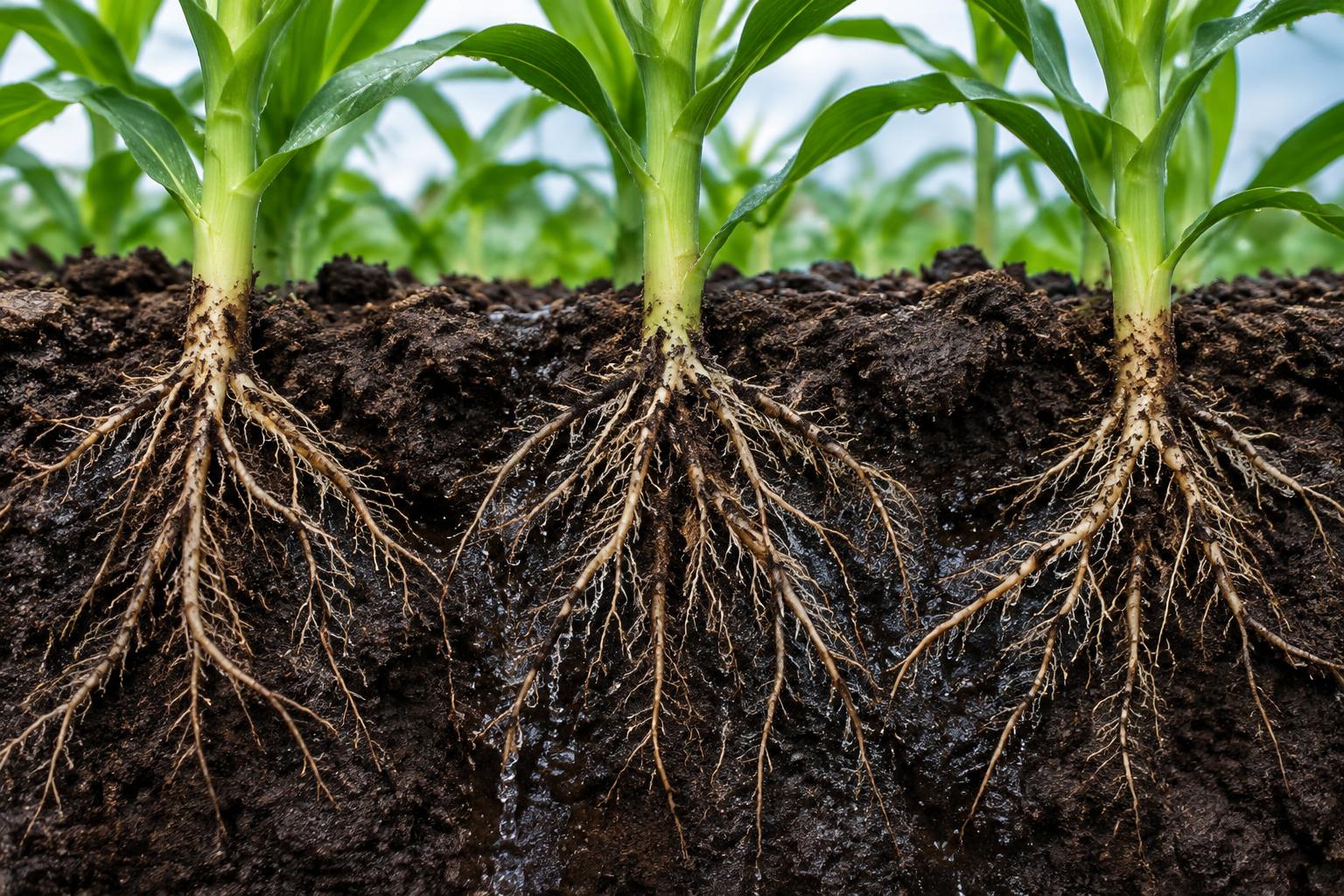
A water footprint describes the freshwater used to produce a good. For food, it begins primarily in the field. Rainfall, irrigation and water sources all contribute, and requirements vary with climate, soil, crop and cultivation method.
Numbers need context
A high number of litres per kilogram does not automatically mean production is irresponsible. Rainwater in a humid region has a different local significance from groundwater in a depleted basin. Water footprints must therefore be interpreted in the context of where and when water is used.
Food loss is water loss
When crops are damaged, produce is rejected or food is discarded, the water used to grow it has already been consumed. A larger share of marketable output improves water use even if irrigation is unchanged. Quality and uniformity are important parts of water productivity.
Improvement at the source
Changes in the irrigation system can benefit the whole value chain. If crops gain better access to a smaller volume and yield is maintained or increased, water use per unit of food falls. This is more meaningful than cutting irrigation in isolation and losing food.
From litres to food
The broad goal is to convert a scarce water resource into as much nutritious, marketable food as possible. Growers, processors and buyers should therefore consider both water volume and production results when assessing sustainability.