
Food production
Producing more food with limited resources
Global food output must rise, but the answer cannot be a matching increase in water and land use.
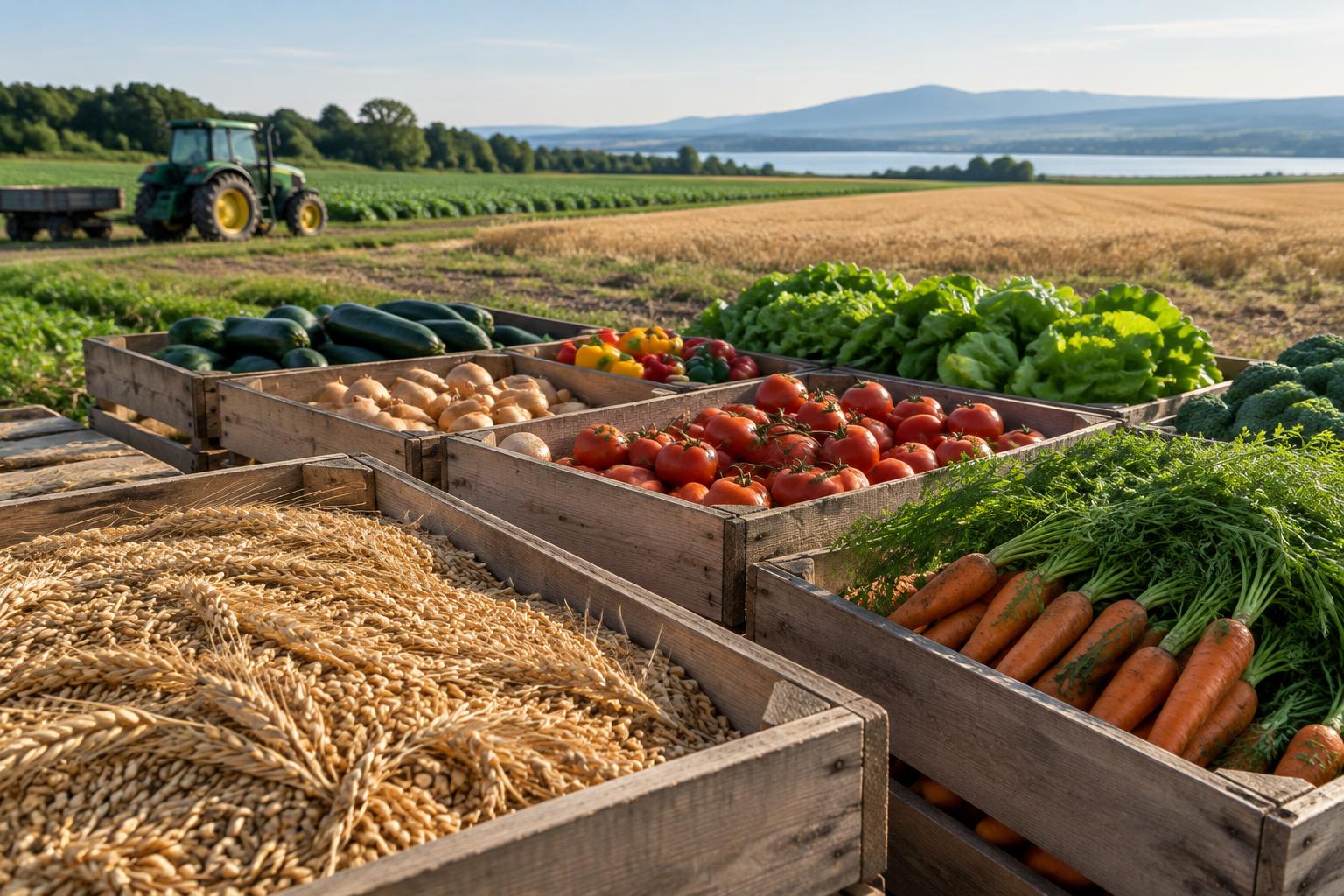
The global population is growing, purchasing power is rising in many regions, and demand for safe, nutritious food is increasing. One conclusion is unavoidable: agriculture must produce more food in the decades ahead. Yet water, energy and arable land are finite. Future demand cannot be met simply by using more of everything.
Limited room for new farmland
Much of the land best suited to farming is already in use. Converting forests, wetlands or other natural areas can cause major losses of biodiversity and stored carbon. Farms also compete with housing, industry and infrastructure for land. A larger share of future production must therefore come from fields that are already cultivated.
Yield per resource matters
Productivity is often measured as yield per hectare. Increasingly, growers must also consider yield per litre of water, unit of energy and other inputs. If crops can benefit from a larger share of the water supplied, farms can reduce avoidable consumption while protecting yield potential.
Technology as part of the answer
Efficient water use does not mean depriving plants. It means making more water available in the root zone when crops need it. Technology that improves how water functions in existing irrigation systems can complement healthy soil, precise scheduling and resilient crop varieties.
A practical objective
The relevant ambition is neither lower resource use alone nor higher yield alone. It is the combination: more food from the same or fewer resources. That is the relationship agricultural technology must help improve.