
Future
Food production towards 2050: more from what we already have
Population growth is raising food demand while water, land and energy remain constrained.
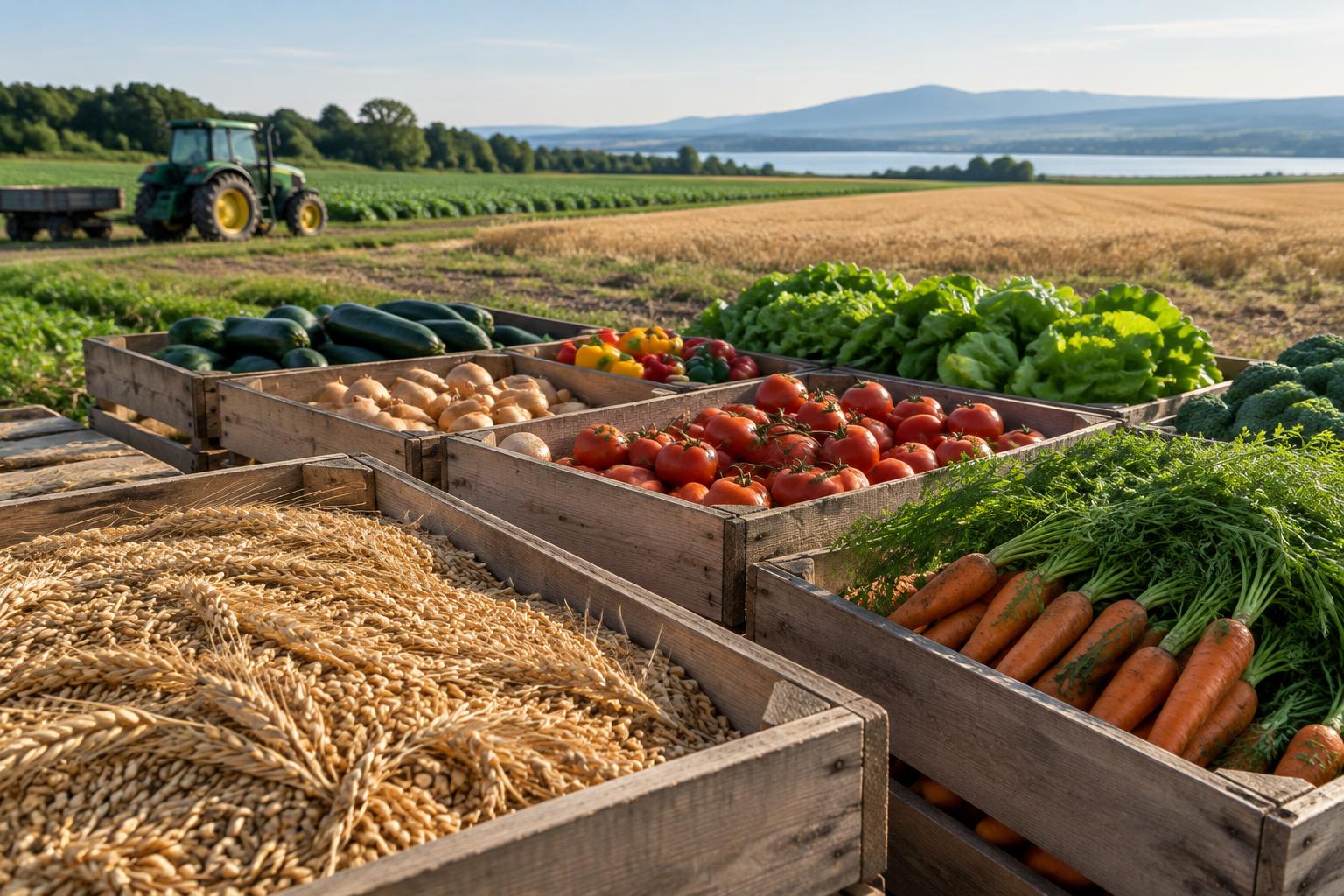
By the middle of this century, the world will have more people to feed. Demand for diverse and nutritious diets is also increasing. Exact growth will differ by region and commodity, but the direction is clear: total food production must rise.
Resources do not grow with demand
More demand does not automatically create more freshwater, fertile soil or affordable energy. Many growers instead face tighter water restrictions, costlier inputs and less stable weather. Scaling today’s resource use in a straight line is not realistic.
The productivity gap
Part of the answer is narrowing the difference between what a crop could produce and what is harvested. Water stress, uneven distribution and weak uptake can limit results even when other inputs are available. Better water function can help close part of this gap.
Many improvements together
No single solution will meet global food demand. Progress comes from combining crop breeding, soil health, precision agriculture, lower losses and better water use. Technology that makes each litre more productive belongs in this toolbox.
A clear test for innovation
Future solutions should be judged against two outcomes: Do they use resources better, and do they support more or more secure food production? Innovation that advances both can make agriculture more productive, resilient and responsible.