
Climate
Climate change is making water less predictable
Drought and intense rainfall can affect the same region. Agriculture needs to make available water more productive.
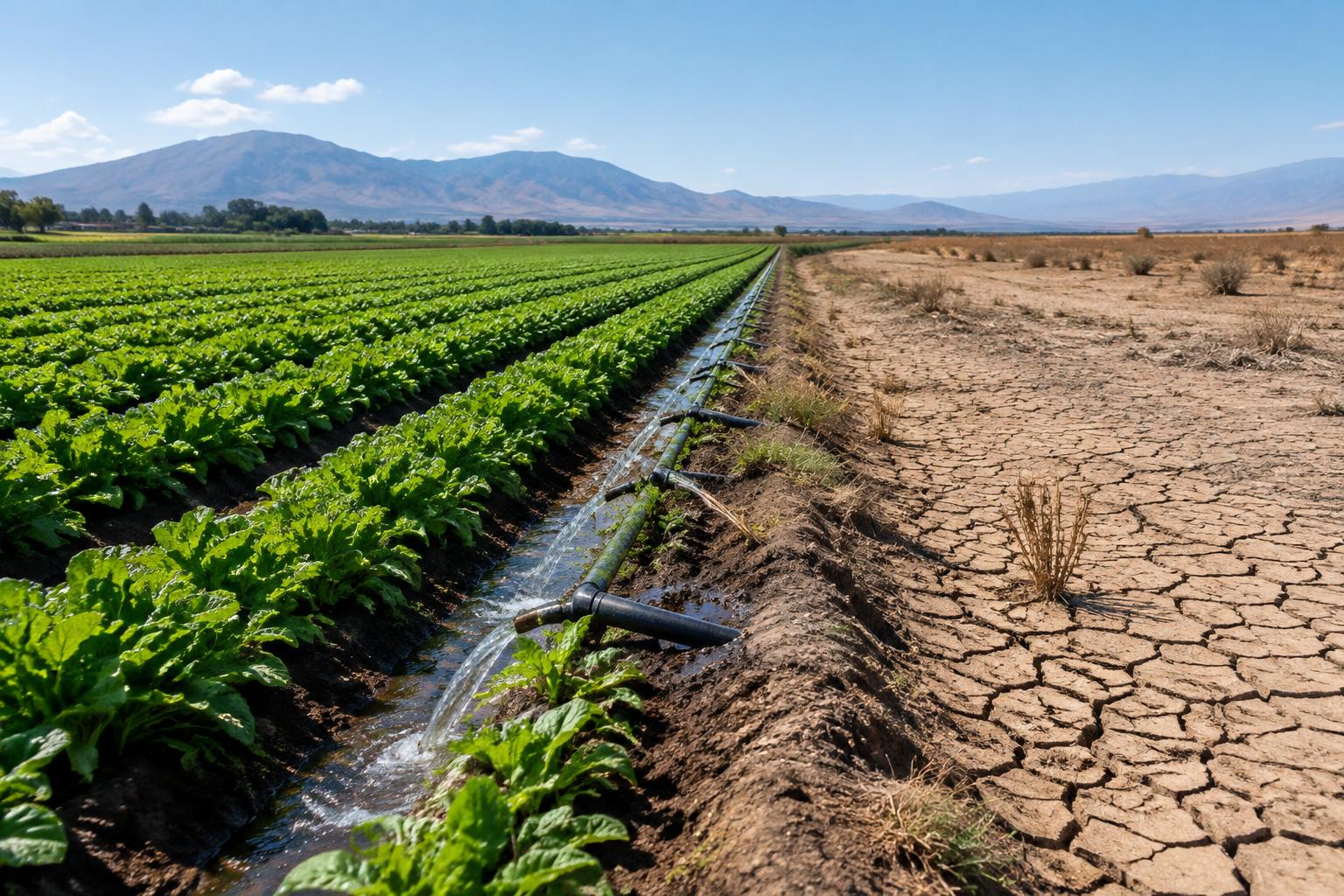
Climate change does not simply make some places drier. It also increases variability: longer dry spells, heavier downpours and seasons that depart from familiar patterns. For agriculture, timing can matter as much as annual rainfall totals.
Rain is not always available water
Heavy rain can run off before entering the root zone. It can also cause erosion and nutrient loss. Weeks without rain may then create stress precisely when the crop is forming yield. A year that looks wet in the statistics can still be difficult for growers.
Higher output requires stability
World food production must rise while weather becomes less predictable. Agriculture must gain more value from the water that is available, whether it comes from rainfall, reservoirs, wells or irrigation. Reliable access during critical growth stages supports both quantity and quality.
Measures work together
Ground cover, soil structure, water storage, precise irrigation and locally adapted varieties all matter. Products that help water distribute and become available more effectively can complement these measures without requiring replacement of the entire irrigation system.
Adaptation means productivity
Climate adaptation is not only about accepting smaller losses. It is about maintaining, and where possible increasing, production with constrained resources. The more food each available litre can support, the better prepared farming is for unpredictable seasons.