
Land
Arable land is a limited resource
With little room to expand farmland, existing fields must produce more in a responsible way.
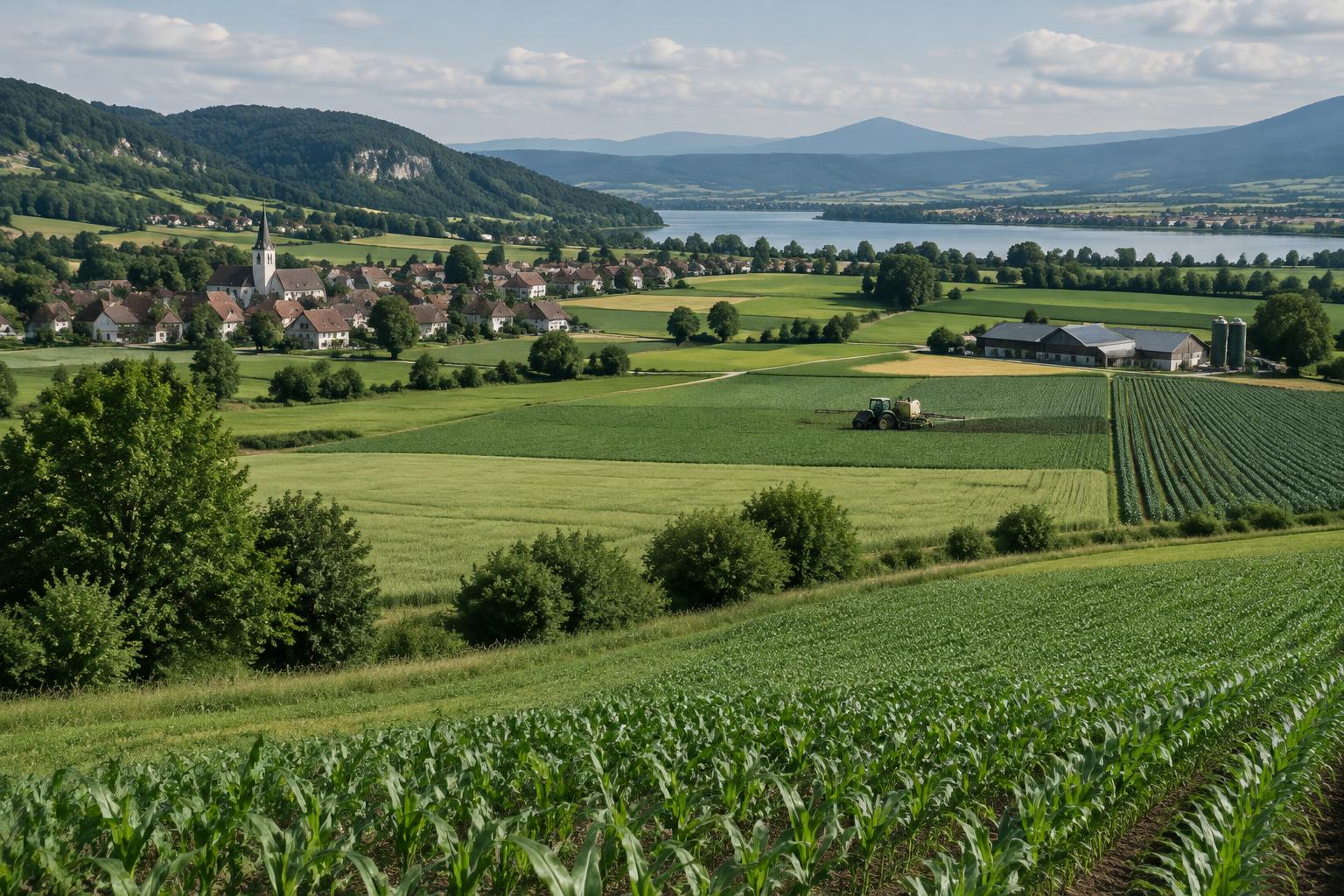
Expanding cultivated area may seem like the obvious response to rising food demand. In practice, it is limited and often costly. Most highly productive agricultural land is already in use, while expansion can conflict with nature, carbon storage and local communities.
Farmland is also being lost
Urban growth, roads, erosion, salinity and declining soil health reduce the productive land base. In some places, topsoil is being lost faster than it can regenerate. Growing demand must therefore be met on an area that is not expanding and may be shrinking.
Sustainable intensification
Producing more on existing land is often called sustainable intensification. It does not mean maximising inputs at any cost. It means using knowledge and technology so a greater share of each input becomes harvestable output, with fewer losses to the environment.
Water connects the system
Water carries nutrients, supports photosynthesis and influences temperature and cell growth. When it is unavailable in the root zone, plants gain less benefit from fertiliser, sunlight and land. Better water use can therefore increase the value of several inputs at once.
More from the land we have
Future farming must protect soil while making it more productive. A central goal is larger, more stable harvests without a corresponding rise in water and resource use. This is both a production strategy and a condition for protecting surrounding natural areas.