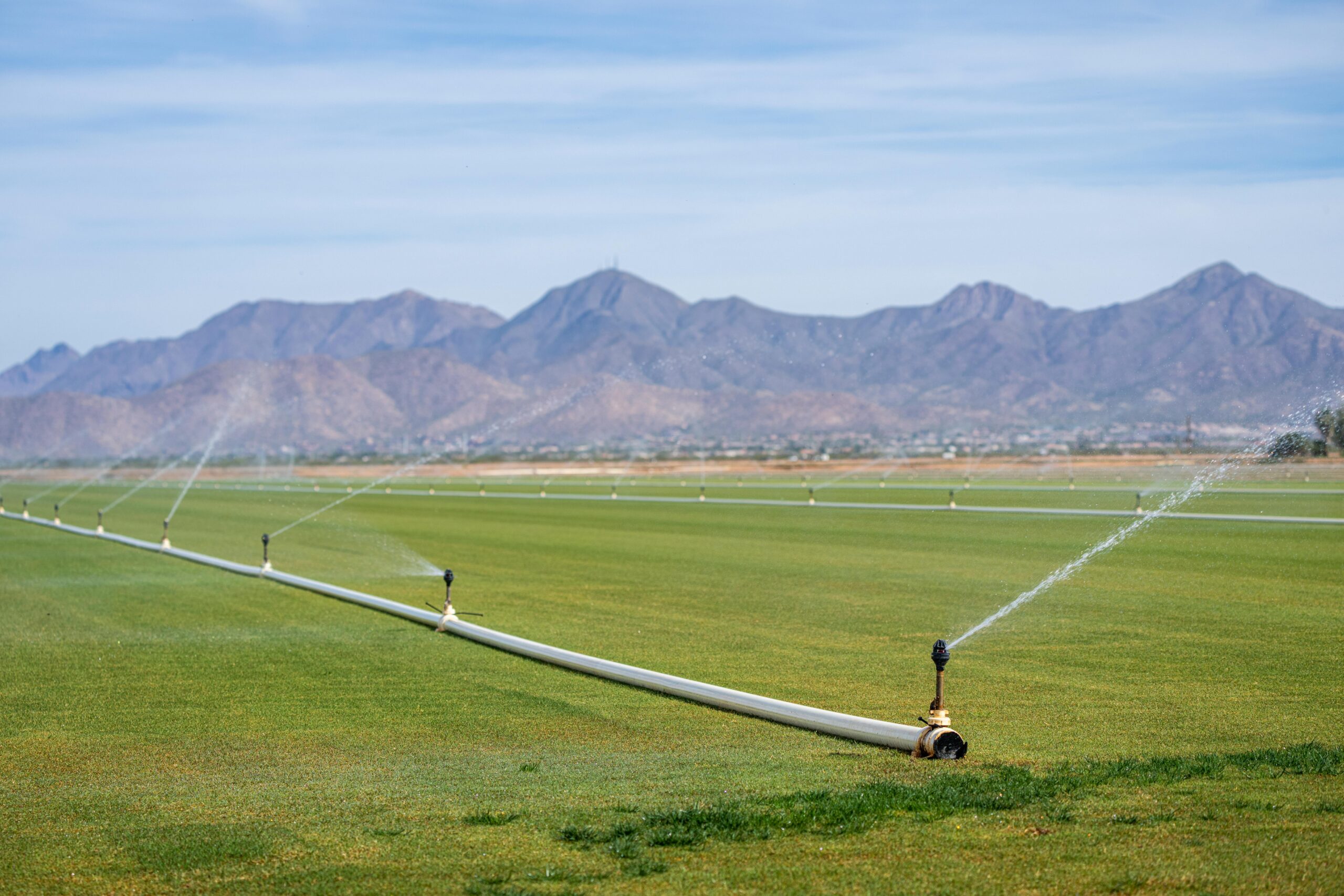

When we think about water conservation, we often focus on turning off the tap while brushing our teeth or taking shorter showers. However, one of the biggest and often overlooked consumers of water is food production. The amount of water required to grow fruits, vegetables, and especially nuts is staggering. Understanding how much water goes into producing the food we eat can help us become more conscious consumers and push for better water management practices in agriculture.
Water Usage in Fruits and Vegetables
On average, vegetables tend to require less water than other food crops like grains or nuts. However, that doesn’t mean they are water-efficient. For instance, producing a kilogram of tomatoes requires about 214 liters (56 gallons) of water, while a kilogram of potatoes uses around 287 liters (76 gallons). Leafy greens such as lettuce and spinach require less water per kilogram, but in areas where water is scarce, even these figures add up quickly.
Fruits typically demand more water. For example, growing a kilogram of apples requires around 822 liters (217 gallons) of water. Bananas, one of the most water-hungry fruits, require about 790 liters (208 gallons) per kilogram. Strawberries are another example, needing around 276 liters (73 gallons) of water per kilogram. While these numbers may seem abstract, they highlight just how dependent our favorite fruits and vegetables are on a steady supply of water.
Nuts: A Water-Intensive Crop
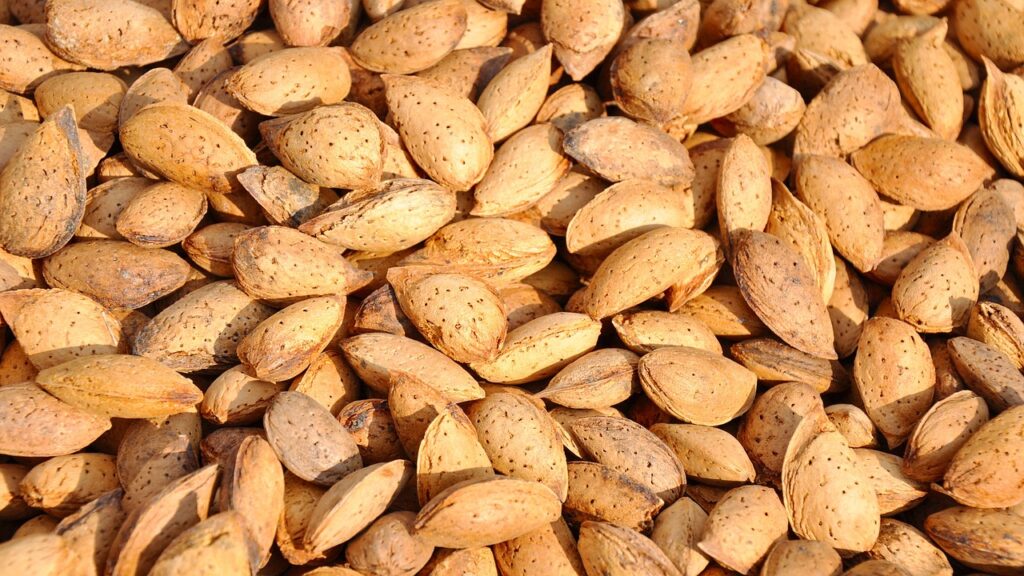
Among the crops that consume the most water, nuts—particularly almonds—are notorious. To produce just a single almond, it takes roughly 12 liters (3 gallons) of water. Considering that almonds are often consumed by the handful, this adds up quickly. A kilogram of almonds requires around 16,000 liters (4,226 gallons) of water, making them one of the most water-intensive crops in the world. This water demand is even more concerning when you consider that a large portion of almond production occurs in California, a state frequently plagued by drought.
Another crop often criticized for its high water consumption is the avocado. It takes about 2,000 liters (528 gallons) of water to produce a single kilogram of avocados. Given the growing global demand for avocados, the water footprint of this crop is putting additional pressure on water-stressed regions like Mexico and California, where avocados are predominantly grown.
The Hidden Costs of Water-Intensive Agriculture
Why does food production require so much water? Beyond the obvious need to irrigate crops, water is also used in various stages of food production, including cleaning, packaging, and transport. Moreover, many crops are grown in arid regions where water resources are already limited, which exacerbates the problem. As demand for water-intensive crops like almonds and avocados continues to rise, these regions face significant challenges in maintaining a sustainable water supply.
Climate change further complicates matters, as increasingly erratic weather patterns—such as prolonged droughts and unpredictable rainfall—make it harder for farmers to rely on natural water sources. This leads to over-extraction of groundwater, which can have long-term consequences for ecosystems and local communities.
The Need for Better Water Management
The sheer amount of water required to grow our food raises an important question: how can we use water more efficiently in agriculture? One solution is to adopt more water-efficient irrigation technologies, such as drip irrigation, which delivers water directly to the plant roots with minimal waste. Another promising practice is rainwater harvesting, which can help farmers make better use of seasonal rains and reduce reliance on groundwater.
There’s also a growing interest in sustainable farming practices, such as agroforestry, which integrates trees and crops to help retain soil moisture and reduce water evaporation. Crop selection plays a role too—growing drought-resistant varieties and prioritizing water-efficient crops in arid regions can help reduce the overall water footprint of food production.
Finally, as consumers, we can make a difference by becoming more mindful of the foods we eat and where they come from. Reducing food waste is a simple yet powerful step—after all, when we waste food, we’re also wasting the water that went into producing it.
Producing the fruits, vegetables, and nuts we enjoy daily requires an incredible amount of water, often far more than we realize. Crops like almonds and nuts, in particular, have a high water footprint, putting pressure on water resources in already stressed regions. As the global population grows and the impacts of climate change become more severe, it’s essential that we find ways to use water more efficiently in agriculture. By supporting sustainable farming practices, reducing food waste, and being conscious of what we consume, we can all play a part in conserving this precious resource. In Larger Harvest we have a goal to reduce the global need for agricultural water by 10-20% and we will start on that mission in 2025.