
Water is often called the lifeblood of agriculture, and for good reason. Whether it’s growing crops, sustaining livestock, or maintaining the delicate balance of ecosystems, water is an essential resource for every aspect of farming. Without a reliable and sufficient supply of water, food production would drastically decline, threatening global food security. Understanding the importance of water in agriculture and managing it sustainably is more crucial than ever in a world facing growing populations, climate change, and limited freshwater resources.
Water as the Foundation for Crop Growth
For plants, water is not just a source of hydration—it’s the very medium in which they grow and thrive. Water is essential for photosynthesis, the process through which plants convert sunlight into energy. It also acts as a carrier for nutrients from the soil, delivering them to the plant roots where they are absorbed. Without adequate water, plants cannot develop properly, leading to reduced yields, poor quality, and in severe cases, crop failure.
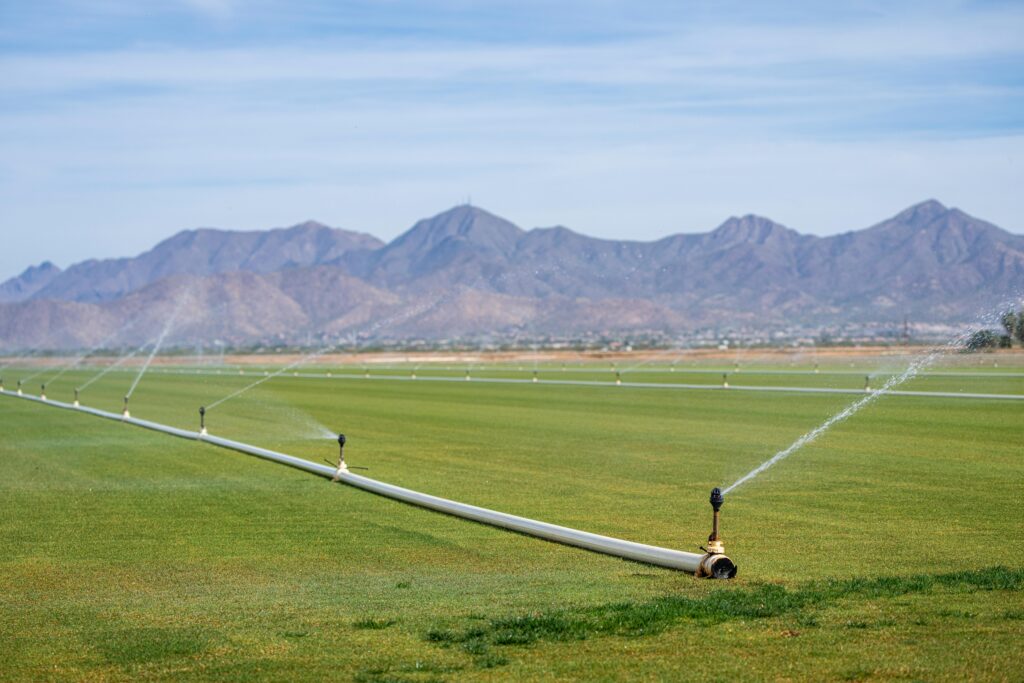
Different crops have varying water needs, and efficient water management ensures that each plant gets the right amount at the right time. In regions with limited rainfall, irrigation systems play a critical role in supplementing natural water sources. However, the challenge lies not only in providing enough water but also in doing so in a sustainable way that conserves water and reduces waste.
The Challenge of Water Scarcity
Water scarcity is becoming an increasingly urgent issue for agriculture. According to the United Nations, agriculture accounts for about 70% of all freshwater withdrawals globally. As the demand for food rises with a growing population, so too does the pressure on water resources. Compounding the issue is climate change, which is leading to more extreme weather patterns—prolonged droughts in some regions and excessive rainfall in others—further disrupting water availability.
Farmers are faced with the difficult task of producing more food with less water. This has driven innovations in water-saving technologies, such as drip irrigation, which delivers water directly to the plant roots, minimizing evaporation and runoff. Other strategies include soil moisture monitoring, rainwater harvesting, and the use of treated wastewater for irrigation. Each of these techniques aims to make water use more efficient and sustainable, helping farmers adapt to the challenges of water scarcity.
Sustainable Water Management: The Future of Agriculture
Sustainable water management is key to ensuring the future of agriculture. It involves not only improving the efficiency of water use but also protecting water quality. Excessive use of fertilizers and pesticides in farming can lead to water pollution, which damages ecosystems and reduces the availability of clean water for agriculture and other uses. By adopting organic farming practices, reducing chemical inputs, and improving waste management, farmers can help preserve the integrity of water resources.
Governments, too, play a critical role in managing water through policies that regulate water use, support infrastructure development, and encourage conservation efforts. International cooperation is essential, especially in regions where water resources cross borders, to ensure equitable access and prevent conflicts over water.
Conclusion
Water is the foundation of life and agriculture, and without it, food production would come to a halt. As the global population continues to rise and climate change reshapes our environment, the challenge of managing water sustainably becomes more pressing. Through innovation, education, and cooperation, we can protect this precious resource and secure a future where agriculture thrives despite the challenges ahead. This is why the people in Larger Harvest wake up and go to work every day.